Checking Local Ordinances
Before acquiring equipment, research municipal guidelines. Many cities allow up to two hives in residential zones, subject to setback distances (e.g., 10 ft from property lines), height limits, and neighbor notification requirements. Contact your local extension office or beekeeping association for current regulations.
Choosing Your Hive Type and Location
-
Hive Designs: Langstroth (stacking frames), Top‑Bar (horizontal bars), and Warre (vertical “top‑bar” design). Langstroth is the most common for its modular expandability.
-
Site Selection:
-
Sun & Shade Balance: Morning sun warms the hive; afternoon shade prevents overheating.
-
Shelter from Wind: Position hives near a fence or shrub buffer facing south‑east to catch early sun and avoid prevailing winds.
-
Water Source: Within 50 ft, ensure bees have access to clean water (birdbath with stones or dripping faucet).
-
Sourcing Bees & Equipment
-
Starter Colonies: Purchase a mated queen with 2–3 frames of brood (nucleus—or “nuc”—colony) from reputable local suppliers or through spring association sales. Local bees are already adapted to your climate.
-
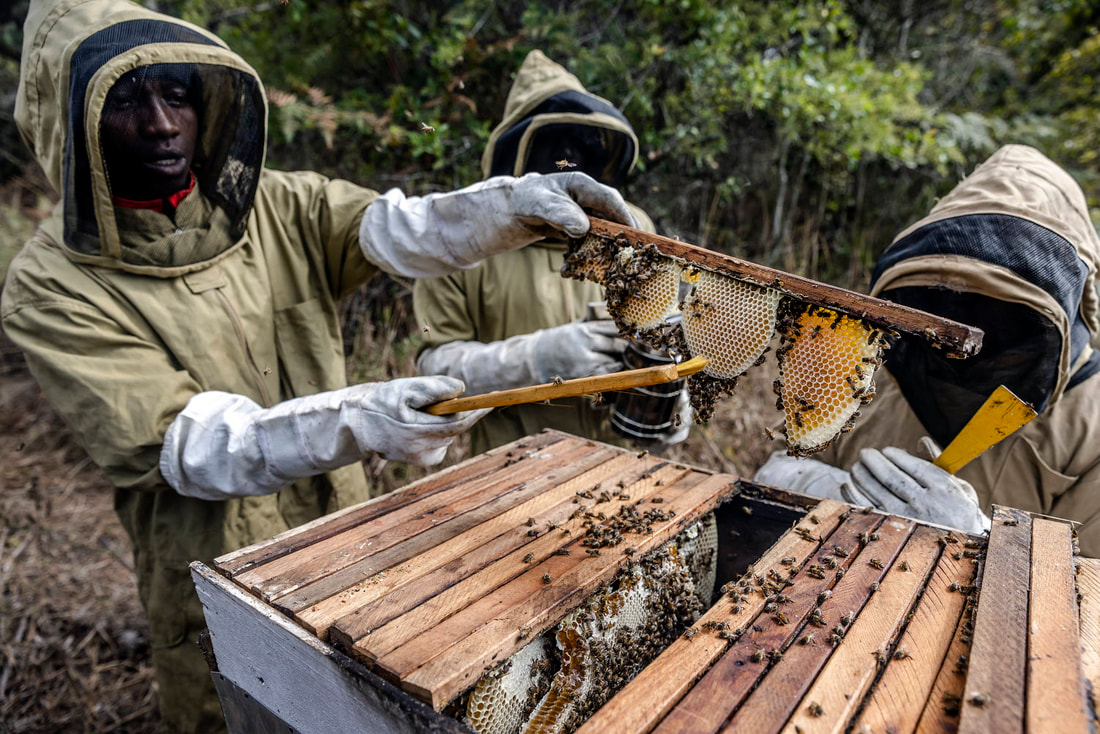
Protective Gear & Tools: Include a veiled suit or jacket, beekeeper’s gloves, hive tool, smoker (fuel: wood pellets or burlap), and a bee brush. Sterilize tools between inspections to prevent disease spread.


No comments:
Post a Comment