In bustling cityscapes, patchwork gardens, rooftop terraces, and community plots have become unlikely sanctuaries for one of nature’s most vital pollinators: the honeybee. Urban beekeeping not only supports biodiversity and food security but also brings a sense of stewardship and wonder to city dwellers. Whether you’re a curious gardener or a dedicated homesteader, this guide will walk you through the benefits, the practical steps, hive care, and the sweet rewards of harvesting—along with how your rooftop or backyard hive can strengthen community connections.
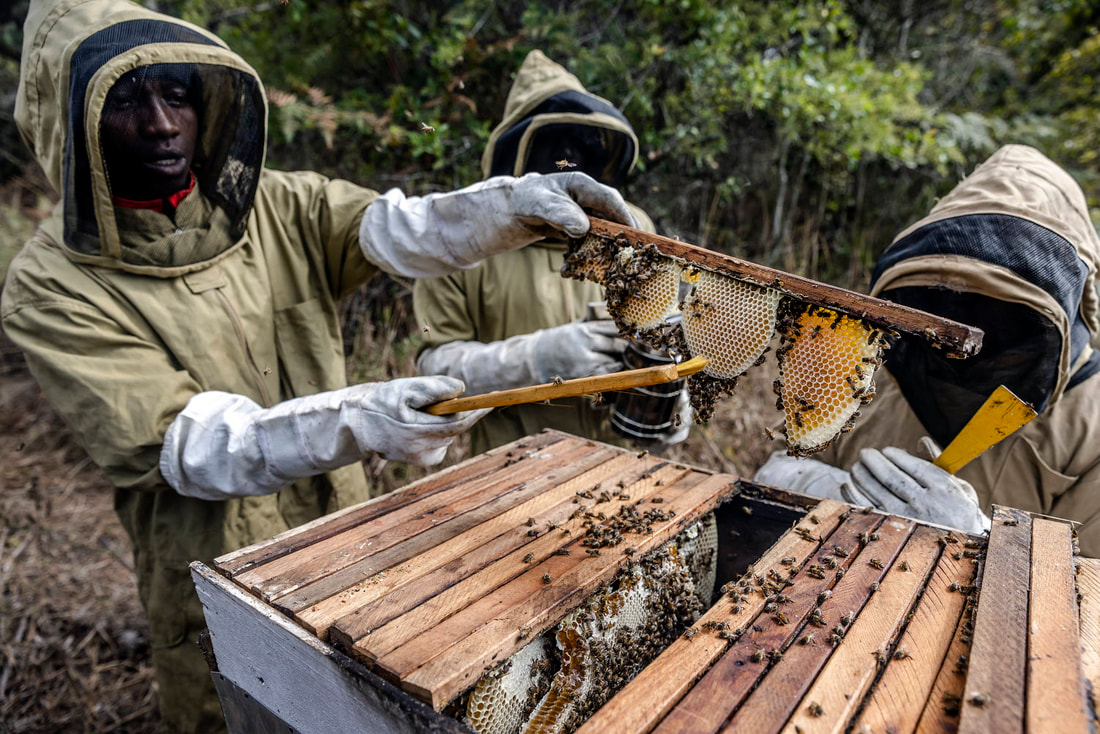
Why Urban Beekeeping Matters
Supporting Pollinators in the Concrete Jungle
City green spaces—balcony planters, pocket parks, ornamental trees—often host a surprising diversity of flowering plants. Honeybees visiting these nectar sources help sustain urban flora, from fruit trees lining sidewalks to community‑garden vegetables. Every foraging trip can collectively boost pollination rates, improving yields of strawberries, peppers, blueberries, and even tomatoes in local gardens.
Environmental and Educational Benefits
-
Biodiversity Hotspots: Urban hives introduce genetic diversity by facilitating bee movement across fragmented landscapes.
-
Citizen Science & Monitoring: Beekeepers can track hive health and pest pressures (Varroa mites, nosema) as early warning for regional bee declines.
-
Stewardship & Awareness: Educating neighbors—school groups, gardeners, local businesses—about pollinator lifecycles fosters collective care for all insect life, from native solitary bees to butterflies.
Personal Rewards and Well‑Being
Tending bees cultivates patience, observational skills, and a deep connection to seasonal rhythms. Many urban beekeepers report stress relief and a sense of purpose in nurturing a hived community that hums just beyond their windowsill.
