Sunday, April 20, 2025

Urban Beekeeping: A Comprehensive Guide to Starting and Maintaining Your Hive

 In bustling cityscapes, patchwork gardens, rooftop terraces, and community plots have become unlikely sanctuaries for one of nature’s most vital pollinators: the honeybee. Urban beekeeping not only supports biodiversity and food security but also brings a sense of stewardship and wonder to city dwellers. Whether you’re a curious gardener or a dedicated homesteader, this guide will walk you through the benefits, the practical steps, hive care, and the sweet rewards of harvesting—along with how your rooftop or backyard hive can strengthen community connections.


Why Urban Beekeeping Matters

Supporting Pollinators in the Concrete Jungle

City green spaces—balcony planters, pocket parks, ornamental trees—often host a surprising diversity of flowering plants. Honeybees visiting these nectar sources help sustain urban flora, from fruit trees lining sidewalks to community‑garden vegetables. Every foraging trip can collectively boost pollination rates, improving yields of strawberries, peppers, blueberries, and even tomatoes in local gardens.

Environmental and Educational Benefits

  • Biodiversity Hotspots: Urban hives introduce genetic diversity by facilitating bee movement across fragmented landscapes.

  • Citizen Science & Monitoring: Beekeepers can track hive health and pest pressures (Varroa mites, nosema) as early warning for regional bee declines.

  • Stewardship & Awareness: Educating neighbors—school groups, gardeners, local businesses—about pollinator lifecycles fosters collective care for all insect life, from native solitary bees to butterflies.

Personal Rewards and Well‑Being

Tending bees cultivates patience, observational skills, and a deep connection to seasonal rhythms. Many urban beekeepers report stress relief and a sense of purpose in nurturing a hived community that hums just beyond their windowsill.

Getting Started & Local Regulations


Checking Local Ordinances

Before acquiring equipment, research municipal guidelines. Many cities allow up to two hives in residential zones, subject to setback distances (e.g., 10 ft from property lines), height limits, and neighbor notification requirements. Contact your local extension office or beekeeping association for current regulations.

Choosing Your Hive Type and Location

  • Hive Designs: Langstroth (stacking frames), Top‑Bar (horizontal bars), and Warre (vertical “top‑bar” design). Langstroth is the most common for its modular expandability.

  • Site Selection:

    • Sun & Shade Balance: Morning sun warms the hive; afternoon shade prevents overheating.

    • Shelter from Wind: Position hives near a fence or shrub buffer facing south‑east to catch early sun and avoid prevailing winds.

    • Water Source: Within 50 ft, ensure bees have access to clean water (birdbath with stones or dripping faucet).

Sourcing Bees & Equipment

  • Starter Colonies: Purchase a mated queen with 2–3 frames of brood (nucleus—or “nuc”—colony) from reputable local suppliers or through spring association sales. Local bees are already adapted to your climate.

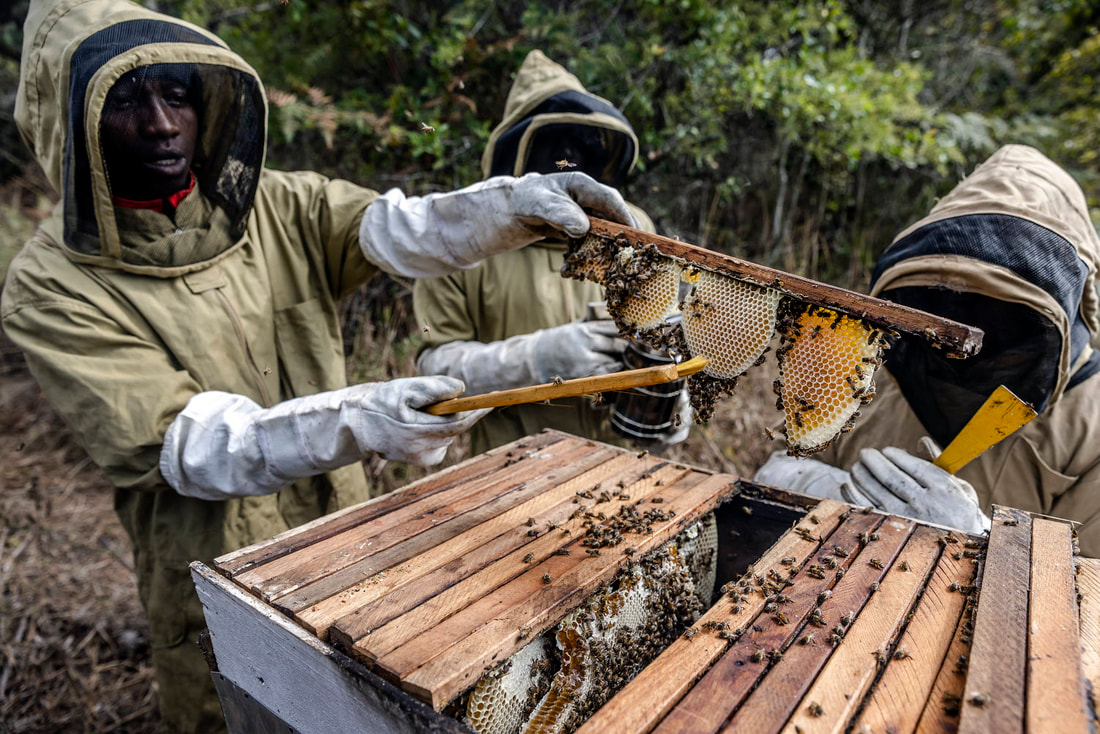
  • Protective Gear & Tools: Include a veiled suit or jacket, beekeeper’s gloves, hive tool, smoker (fuel: wood pellets or burlap), and a bee brush. Sterilize tools between inspections to prevent disease spread.

Hive Management & Colony Health


Seasonal Inspection Routine

  • Spring (Colony Build‑Up): Weekly inspections to monitor brood patterns, food stores, and space. Add new supers (honey boxes) when bees fill 70–80% of existing frames.

  • Summer (Honey Flow & Swarm Prevention): Continue feeding nectar‑rich pollen patties only if natural forage is scarce. Inspect for queen cells—remove or split hives to forestall swarming.

  • Fall (Preparation for Winter): Consolidate frames to maintain warmth, ensure ample honey stores (60+ lbs in cold climates), and treat for Varroa mites with approved miticides or oxalic acid vaporization.

  • Winter (Minimal Intervention): Check hive weight monthly by hefting from behind to ensure they haven’t consumed too much stores, and clear entrance blockages from dead bees or debris.

Disease & Pest Management

  • Varroa Mites: Perform weekly sugar‑shake or alcohol wash counts; threshold treatments at 3 – 5 mites per 100 bees prevent viral outbreaks.

  • American Foulbrood (AFB): A spore‑forming bacterium; burning infected frames and employing antibiotic dips (if legal) are crucial—report AFB cases to your state apiarist.

  • Wax Moths & Small Hive Beetles: Rotate comb annually by culling old, dark frames; maintain strong brood patterns and low cluster sizes to deter infestations.

Harvesting, Hive Products & Community Impact


Honey Extraction & Storage

  • Uncapping & Extraction: Use an electric hot knife or uncapping fork; spin frames in a centrifugal extractor on warm, sunny days. Filter honey through food‑grade strainers to remove wax bits.

  • Bottling & Curing: Store in airtight glass jars at room temperature. Allow a week for fine air bubbles to rise before sealing. Label with harvest date and floral source (spring-blossom, wildflower, buckwheat).

Beyond Honey: Beeswax, Propolis & Pollen

  • Beeswax: Melt and filter for candles, salves, or polish—strain through cheesecloth into molds.

  • Propolis: Collect from screened bottom boards; tincture in 70% ethanol for immune‑support extracts.

  • Bee Pollen: Trap small granules at the hive entrance; dry at low heat (<95 °F) to preserve vitamins and flavonoids—use as smoothie superfood or granola topper.

Community Engagement & Education

  • School & Garden Workshops: Host hive‑viewing days (with protective viewing screens) to teach about pollination, life cycles, and environmental stewardship.

  • Local Honey Shares: Donate or sell small jars at farmers’ markets, labeling your urban location—people love supporting neighborhood apiaries.

  • Conservation Partnerships: Collaborate with community gardens to plant pollinator gardens (native wildflowers, bee‑friendly perennials) near your hives, expanding forage habitat.

Urban beekeeping marries ecological responsibility with hands‑on craft, offering rewards that go far beyond honey. By adhering to local regulations, choosing the right hive setup, conducting seasonal inspections, and managing pests proactively, you’ll nurture strong, productive colonies. Harvesting honey, wax, and other hive products deepens your appreciation for these complex superorganisms, while community outreach transforms a solitary hobby into a collective movement for biodiversity. Start small—with one nuc or a top‑bar hive—and let your city hive hum a new chapter of urban sustainability.

Urban Beekeeping: A Comprehensive Guide to Starting and Maintaining Your Hive

 In bustling cityscapes, patchwork gardens, rooftop terraces, and community plots have become unlikely sanctuaries for one of nature’s most ...